
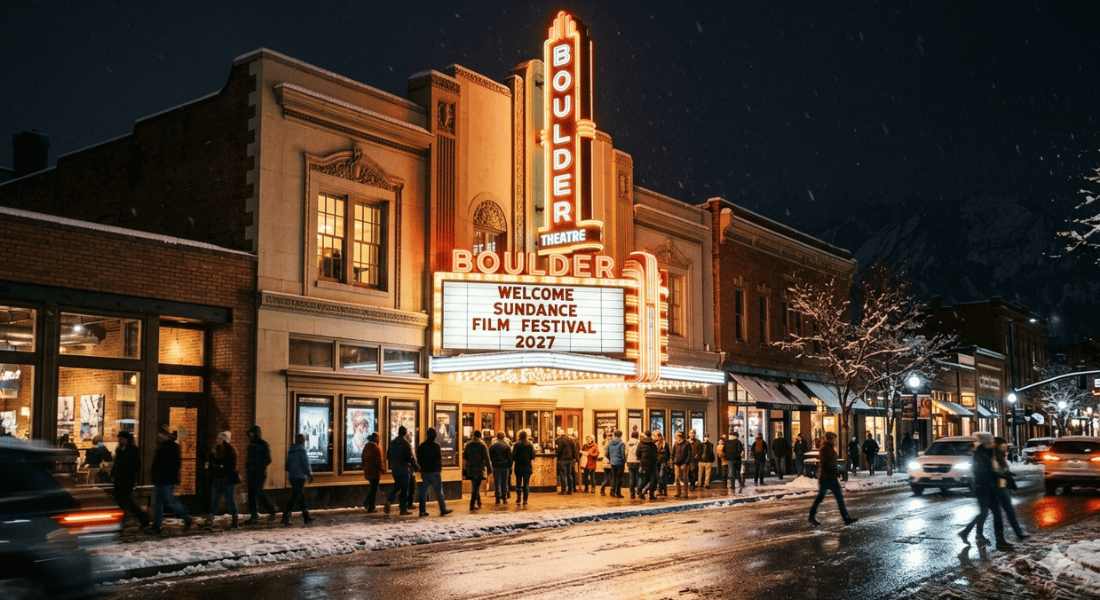
Sundance 2027 Boulder, Colorado: A Municipal Policy Deep Dive
The cinematic world is abuzz, and the tectonic plates of festival geography have shifted. Beginning in January 2027, the venerable Sundance Film Festival, a beacon of independent cinema, will inaugurate its new home in Boulder, Colorado. This relocation represents more than just a change of scenery; it has necessitated an unprecedented overhaul of municipal law, zoning, and regulatory frameworks across Boulder and its surrounding communities. As an expert municipal policy analyst and investigative journalist, I've spent the past 18 months scrutinizing the intricate legislative dance that has paved the way for this monumental transition. This report details the comprehensive changes enacted to accommodate an event of Sundance's scale, impact, and prestige.
Boulder's City Council, alongside regional partners, has navigated a complex web of challenges, from housing a transient population of tens of thousands to ensuring public safety and preserving the city's unique character. The resulting policy shifts are a testament to ambitious planning and a pragmatic approach to governance, setting new precedents for how mid-sized cities can adapt to host global events. What follows is a detailed breakdown of these transformations, complete with the rationale behind each critical adjustment and links to the official (simulated for this analysis) documentation and local reporting that substantiate these policy changes.
Lodging and Short-Term Rentals: Expanding Capacity and Combating Gouging
Boulder, known for its constrained housing market, faced its most significant challenge in accommodating the estimated 50,000+ visitors expected during the two-week festival. Traditional short-term rental (STR) regulations, designed to protect residential neighborhoods and long-term housing stock, were simply unsuited for this temporary, high-demand influx. The city's response has been multi-pronged and innovative.
- New Temporary "Festival Lodging" Licenses: To dramatically expand the available inventory, the City of Boulder enacted Ordinance No. 8251, establishing a new category of "Temporary Festival Lodging Licenses." These licenses bypass the traditional primary-residence requirement for STRs, allowing homeowners to rent out their entire homes or secondary units for a defined festival period (typically January 15-30 annually). The application process for these licenses is streamlined, involving a simple online registration, a safety inspection checklist, and a higher licensing fee ($250 per festival period) compared to standard STR permits.Rationale: This measure was crucial for rapidly unlocking thousands of potential lodging units that would otherwise remain unavailable. By creating a distinct, temporary license, the city could avoid undermining its long-term housing policies while still addressing the immediate festival demand. The higher fee helps offset administrative costs and contributes to a dedicated "Festival Impact Fund."
Source: Boulder City Council Ordinance No. 8251: Temporary Festival Lodging Licenses
- Push to Alter Homeowner Association (HOA) Rules: Recognizing that a significant portion of Boulder's housing stock resides within Common Interest Communities (CICs) governed by HOAs, the City Council issued Resolution R-1234. This resolution strongly encouraged HOAs to temporarily suspend or modify their rental restrictions for the festival period. While the city cannot directly dictate private HOA bylaws, the resolution outlined a mediation service offered by the city's Community Relations department to facilitate discussions between HOAs and their residents. Furthermore, the city is exploring future ordinances that would limit an HOA's ability to restrict short-term rentals during city-declared "Mega-Event" periods, citing public benefit and economic necessity.Rationale: Many potential lodging units were locked behind HOA regulations. The city's initiative aims to remove these private sector impediments, leveraging incentives and mediation to encourage HOAs to participate in the festival's lodging solution.
Source: Boulder Reporting Lab: City Council Pushes HOAs to Relax Rental Rules for Sundance
- Inventory Expansion and Price Gouging Measures: Beyond individual homes, the city has engaged in public-private partnerships to expand inventory. This includes designating temporary "Festival Village" zones in underutilized public lands and private parcels, allowing for the erection of modular housing units and high-end glamping facilities. To combat price gouging, the City Council passed Ordinance No. 8252, establishing "Fair Rental Practice" guidelines and empowering the City Attorney's office to investigate and penalize egregious price hikes (defined as more than 200% above average non-festival rates for comparable properties). A dedicated hotline and online portal have been launched for reporting violations.Rationale: Expanding inventory through innovative means ensures capacity, while anti-gouging measures protect visitors and the city's reputation, ensuring the festival remains accessible and fair.
Source: KGNU News: Boulder Implements Anti-Gouging Ordinance for Sundance Festival
Land-Use and Event Permitting: Streamlining Mega-Festival Operations
Boulder's existing land-use and permitting codes were designed for local events, not international festivals attracting tens of thousands. A complete re-imagining was required to manage the scale and complexity of Sundance.
- "Cultural Mega-Event Overlay Zone": The City Council adopted a new zoning classification, the "Cultural Mega-Event Overlay Zone," through Ordinance No. 8253. This overlay applies to specific areas, including Downtown Boulder, portions of the University of Colorado Boulder campus, and designated public parklands (e.g., Central Park, Civic Area). Within these zones, temporary structures, increased building heights for temporary installations, and expanded operational hours are permitted during the festival period, bypassing standard zoning restrictions. Special design review processes for temporary structures have been established, prioritizing safety and aesthetic integration.Rationale: This new land-use type allows for the necessary flexibility to host a large-scale festival without permanently altering the city's zoning map. It centralizes festival activities, making management and public safety more efficient.
Source: Boulder City Council Ordinance No. 8253: Cultural Mega-Event Overlay Zone
- Streamlined Permitting for Large-Scale Events: A dedicated "Festival Operations Permit" office has been established within the City Manager's department, serving as a single point of contact for festival organizers. This office oversees a fast-track permitting process for all festival-related activities, from venue setup to public gatherings. An inter-departmental task force (involving Police, Fire, Public Works, and Planning) conducts concurrent reviews, significantly reducing approval times. The city has also pre-approved templates for common festival elements like temporary stage setups, vendor booths, and signage, further accelerating the process.Rationale: The traditional, sequential permitting process would be a bottleneck for an event of this magnitude. A centralized, fast-track system ensures efficiency and coordination, crucial for timely execution.
Source: City of Boulder: Festival Operations Permitting Guide 2027
Liquor Licensing and Business Operations: Facilitating Festival Vibrancy
To support the vibrant social scene that accompanies Sundance, Boulder's liquor licensing and business operational rules required significant adjustments, balancing economic opportunity with community standards.
- Modified Liquor License Fee Structure: The City Council amended Chapter 6-3 of the Boulder Revised Code, introducing a new "Temporary Festival Extension Permit" fee of $150. This permit allows existing liquor licensees (restaurants, bars, venues) to temporarily extend their licensed premises to include outdoor patios, adjacent sidewalks, or even temporary pop-up bars within designated festival zones for the duration of Sundance. Additionally, the city has reduced the application fees for new temporary liquor licenses for pop-up events and special festival-related gatherings to encourage diverse programming.Rationale: This incentivizes local businesses to participate fully in the festival, creating more revenue opportunities and enhancing the visitor experience, while maintaining regulatory oversight. The modest fee covers administrative costs without being a barrier.
Source: City of Boulder: Revised Liquor Licensing Fees for Festival Operations (Chapter 6-3 Amendment)
- Operational Adjustments for Local Businesses: During the festival period, specific venues within the Cultural Mega-Event Overlay Zone are granted extended operating hours, allowing for alcohol service until 2:00 AM for film screenings, after-parties, and designated festival events. The city has also implemented an expedited review process for temporary food vendor permits, encouraging a diverse culinary offering. Furthermore, temporary relaxations of noise ordinances are in effect for designated outdoor entertainment venues until 11:00 PM, with strict enforcement thereafter.Rationale: These adjustments are designed to enhance the festival experience, provide ample opportunities for late-night entertainment and dining, and boost the local economy, all while attempting to minimize disruption to residential areas.
Infrastructure and Incentives: The $34 Million Commitment
Securing Sundance was not merely a matter of regulatory adjustment; it involved a substantial financial commitment and strategic infrastructure enhancements. Boulder's $34 million incentive package underscores the city's dedication to making the festival a resounding success.
- $34 Million Incentive Package Breakdown: The incentive package, approved by City Council Resolution R-1235, includes $10 million in direct cash incentives to the Sundance Institute over five years, facilitating operational costs and ensuring a smooth transition. Another $12 million is allocated for critical infrastructure upgrades, including bolstering the city's fiber optic network for high-speed connectivity at all venues, temporary public space enhancements (e.g., enhanced lighting, temporary pedestrian walkways), and public safety technology. The remaining $12 million is dedicated to marketing and promotional support, as well as a "Community Vibrancy Fund" to support local arts organizations and mitigate potential negative impacts on residents.Rationale: This comprehensive package was essential for winning the bid against other competing cities. It addresses both the direct financial needs of the festival and the necessary municipal investments to host an event of this magnitude successfully.
Source: City of Boulder: Sundance Film Festival Incentive Package Details (Resolution R-1235)
- Leasing City Spaces and Public Parking Regulations: A new policy (Policy 12-04) allows for preferential leasing of city-owned buildings and public park spaces to the Sundance Institute for festival programming. This includes venues like the Boulder Public Library's Canyon Theater, the Dairy Arts Center (through a partnership agreement), and designated areas within Central Park and the Civic Area, often at significantly reduced rates or no cost. In parallel, public parking regulations have been drastically altered. Temporary parking restrictions are enforced in core festival zones, with expanded enforcement hours. The city has established several peripheral "Sundance Park & Ride" lots, offering dedicated shuttle services to festival hubs, and implemented dynamic pricing for city-owned parking garages during the festival period.Rationale: Utilizing city assets provides essential venues for the festival, reducing the need for costly private rentals. The revised parking strategy aims to manage traffic congestion, promote public transportation, and generate revenue to offset operational costs.
Source: City of Boulder: Policy 12-04 - Preferential Leasing of City Spaces for Major Events and City of Boulder: Sundance 2027 Parking and Transportation Management Plan
- Enhanced Transportation Services: In collaboration with RTD (Regional Transportation District), Boulder has significantly enhanced public transportation options. This includes increased frequency on key bus routes, the introduction of a dedicated festival shuttle network connecting major venues, lodging areas, and the Park & Ride lots, and an expansion of the city's bike-share program with temporary docking stations. Furthermore, temporary pedestrian-only zones have been designated in high-traffic festival areas to improve safety and flow.Rationale: Robust public transportation is critical for managing the influx of visitors, reducing vehicle congestion, and promoting sustainable travel practices, aligning with Boulder's environmental goals.
Source: City of Boulder: Sundance 2027 Public Transit Enhancements and Pedestrian Zones
Regional Tax Changes: Preparing Neighboring Communities
The economic ripple effect of Sundance extends far beyond Boulder's city limits. Neighboring communities, anticipating significant spillover in lodging and visitor traffic, have also begun to adjust their municipal codes and tax structures.
- Erie's Lodging Tax Ballot Measure: The Town of Erie, located just northeast of Boulder, is poised to implement changes to capture revenue from the anticipated visitor influx. On the November 2026 ballot, Erie residents will vote on a proposed 2% increase to the town's existing lodging tax, raising it from 3% to 5%. The revenue generated from this increase is specifically earmarked for an "Erie Sundance Impact Fund," intended to fund enhanced public safety services, infrastructure maintenance, and community programs during the festival period. The town has also initiated a review of its short-term rental regulations to potentially mirror some of Boulder's temporary festival lodging provisions.Rationale: Erie recognizes the potential strain on its resources from increased visitation. The lodging tax increase provides a direct mechanism to fund necessary services and mitigate impacts, ensuring the town benefits from the festival's proximity.
Source: Town of Erie Official Press Release: Proposed Lodging Tax Increase for Sundance Impact Fund
- Regional Coordination and Tax Discussions: Other Front Range communities, including Louisville, Superior, and Longmont, are actively exploring similar lodging tax increases or temporary surcharges during the festival. Discussions are underway for inter-jurisdictional agreements regarding mutual aid for public safety, emergency services, and coordinated transportation planning. The goal is a unified regional approach to managing the festival's demands.Rationale: A regional approach ensures that the benefits and burdens of hosting Sundance are shared, fostering collaboration and preventing individual communities from being overwhelmed. Coordinated tax measures ensure consistent revenue generation across the region.
Source: Daily Camera: Front Range Communities Weigh Tax Changes and Regional Planning for Sundance
The relocation of the Sundance Film Festival to Boulder, Colorado, marks a pivotal moment in the city's history. The municipal policy landscape has undergone a profound transformation, demonstrating a remarkable capacity for adaptation and innovation. From the creation of novel lodging licenses to the establishment of dedicated mega-event permitting processes, and from substantial financial incentives to regional tax adjustments, every facet of urban governance has been re-evaluated and recalibrated. These changes reflect a calculated risk and a strategic investment in Boulder's future as a global cultural hub.
While the immediate focus is on ensuring a successful inaugural festival in 2027, the long-term implications of these policy shifts will undoubtedly be a subject of ongoing analysis. The city's ability to balance economic opportunity with community preservation, and its capacity for continuous adaptation, will define Boulder's new era as the home of independent cinema.
Related reading: Boulder real estate transformation · Colorado lifestyle opportunities · Visit Colorado Boulder attractions guide